Understanding Fireproofing Options
When it comes to protecting structural steel, two of the most commonly used methods are intumescent coatings and cementitious fireproofing. Each has its own advantages depending on the project requirements.
What is Intumescent Coating?
Intumescent coating is a thin film that expands when exposed to heat. This expansion creates an insulating barrier that protects the steel from high temperatures.
Benefits:
- Smooth and aesthetic finish
- Ideal for exposed steel
- Lightweight application
- High performance in fire conditions
What is Cementitious Fireproofing?
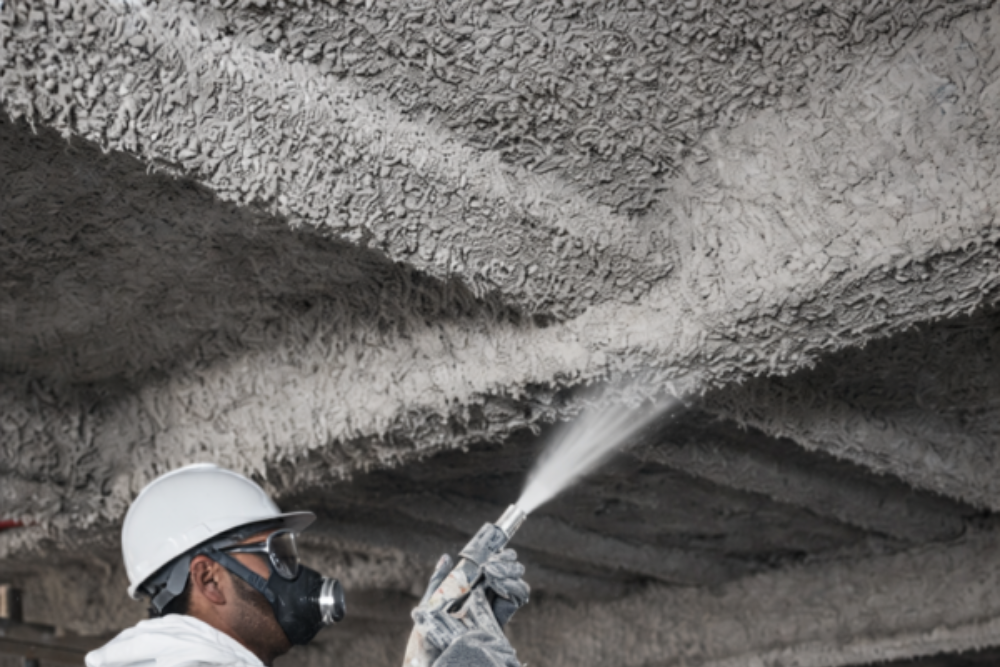
Cementitious fireproofing is a thick, spray-applied material made from cement-based compounds. It is widely used in large-scale commercial and industrial projects.
Benefits:
- Cost-effective
- Excellent fire resistance
- Fast application for large areas
- Durable in hidden structural areas
Key Differences
Appearance:
Intumescent coatings provide a clean, painted look, while cementitious coatings have a rough finish.
Cost:
Cementitious fireproofing is generally more affordable than intumescent coatings.
Application Area:
Intumescent coatings are best for visible areas, while cementitious is used for concealed structures.
Maintenance:
Intumescent coatings require more maintenance compared to cementitious materials.
Which One Should You Choose?
The right choice depends on your project needs.
- Choose intumescent coating for architectural and exposed steel
- Choose cementitious fireproofing for cost-effective, large-scale applications
Consulting with fireproofing experts can help determine the best solution for your building.
Conclusion
Both intumescent coatings and cementitious fireproofing play a crucial role in fire safety. Understanding their differences ensures you make the right decision for durability, safety, and budget.
📞 Call to Action
Need help selecting the right fireproofing system? Reach out to our team for expert advice and professional application services.